


作者:孙佳星 Stephenye July 2022
在托福和雅思的口语话题中,有时会遇到关于疾病和症状的话题。今天让我们通过一则猴痘的新闻,学习一下跟疾病有关的常见词汇吧!
On June 20, a potential case of monkeypox was detected in Taipei, where a man had recently returned from Germany and exhibited symptoms including a fever, sore throat, muscle pain, a skin rash and swollen lymph nodes.
让我们先来学习一下这几个表示症状symptoms的词:
fever 发热
sore throat 嗓子疼
muscle pain 肌肉疼
skin rash皮疹
swollen lymph nodes 淋巴结肿大
Symptoms also include可能会出现的症状还有
Blisters that eventually scab 起水泡(并逐渐结痂)
Headaches 头疼
Fatigue 疲劳
这其中的几个症状也会出现在其他常见疾病中,我们来看一些例子:
1. rash(起疹子),也可以表示过敏allergy(n.)/allergic(adj.)所引起的症状。
eg. He may break out in a rash when he eats these nuts...
他吃了这些坚果可能会长皮疹。
2. blister(水泡),可能是因为新鞋子或者走路多磨出的水泡,或是烫伤严重。
eg. He has a blister on his heel.
他脚后跟上有个水泡.
3. swollen(肿)是动词swell的过去分词,也作为形容词使用。
eg. My eyes were so swollen I could hardly see.
我的眼睛肿得很厉害,几乎看不到东西。
另外,最常见的“疼痛”,其实有三种表达,让我们来对比一下:
词性区分
n pain - n.
n ache - v./n.
n sore - adj.
含义区分
1. Pain is a broad term that can be used for a cut, burn, or headache (really anything physical).
pain属于更广泛意义的疼,可以用于割伤,烫伤,头疼等引起的身体疼痛。
2. Aches tend to last longer and describe internal pain.
aches倾向于持续时间较长的内部疼痛。
3. Sore is a pain that's felt in your muscles normally after exercise.
sore一般是指运动之后的肌肉酸痛。
总而言之,pain 一般指的是更强,更突然,不容忽略的疼痛。ache or sore 相对痛感较低,持续时间较长。如果我们想要表达得更准确地道,需要注意区分相似含义词汇的细微差异。
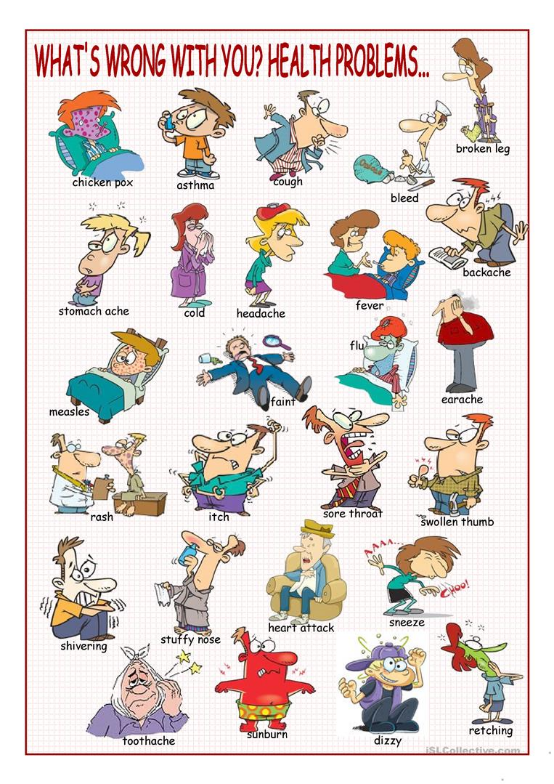
最后让我们通过下面的图片扩展和巩固一下学习效果吧!
本期内容由51offer孙佳星老师提供。